
Why FAQs Are Important for SEO (and How This Section Helps Get into Neural Search Results)
There was a time when it seemed like FAQs had lost their relevance, but a few years ago, neural networks made their way into search, and everything changed — frequently asked questions became necessary once again.
In the past, this section was sometimes used dishonestly. For example, FAQs were created with the intention of adding as many keywords as possible for additional page optimization. Such text had no real value for users — only for search bots. Today, that approach won't work: useless FAQs, written just for the sake of it, won't be effective.
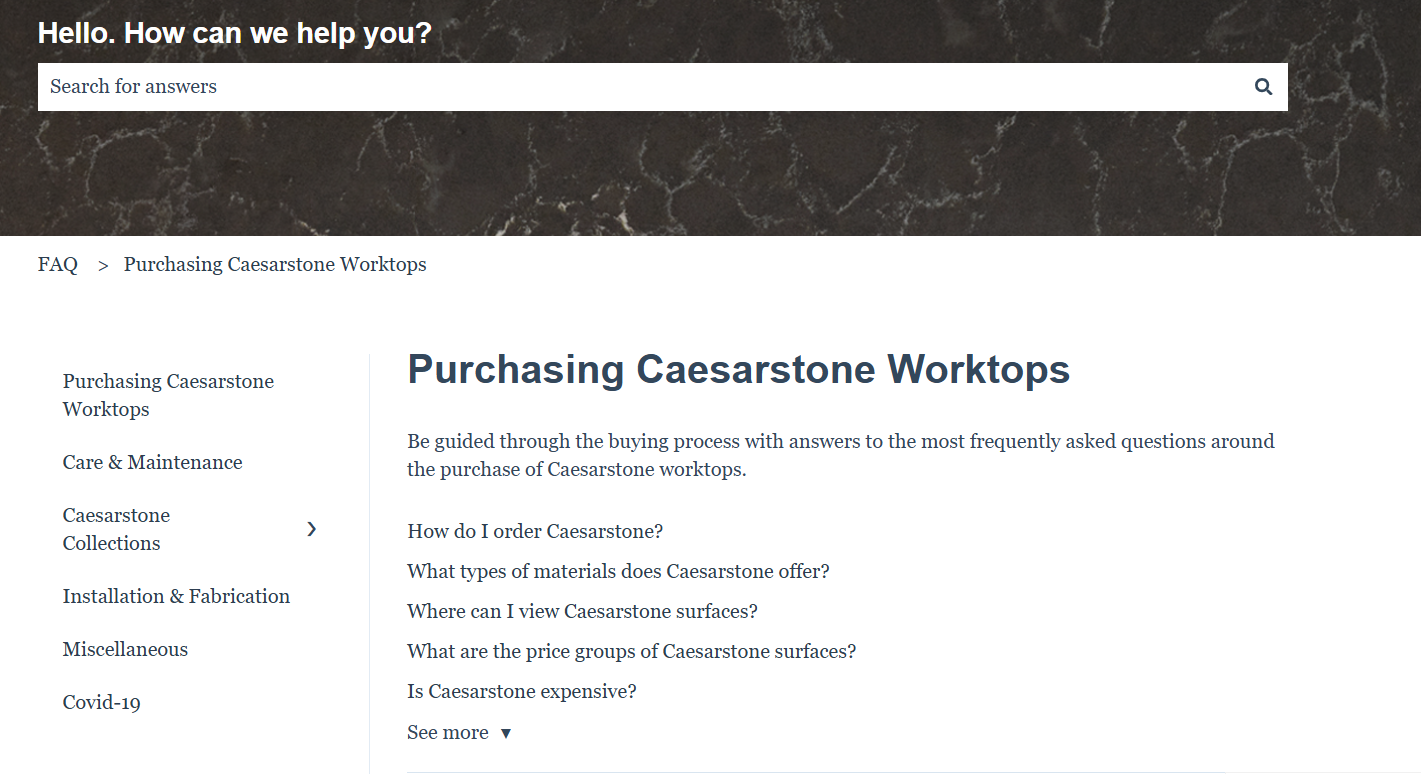 Source: caesarstone.co.uk
In 2026, a frequently asked questions section must contain valuable information for the user. This applies to both commercial purposes (when FAQs are placed on selling pages: the homepage, catalog, internal pages) and informational purposes (yes, it's also advisable to include a list of common questions in articles). Let's talk about such texts now.
Why Add a FAQ Section to Informational Articles
You might wonder: what’s the point of having a FAQ section in an informational article if it already answers all the user’s questions? It might seem like the reader could have just skipped the lengthy text...
The thing is, it’s not just about trying to rank higher in search engine results, although a FAQ section is a great way to achieve that. Recently, FAQs have often been seen in expert articles — texts that thoroughly explore a topic and answer the reader's questions in detail.
 Source: sirencraftbrew.com
In 2026, even informational texts include a FAQ section. A well-written and structured FAQ can help quickly find what you need. For example, if a user needs specific information about torch burners for argon arc welding but doesn’t want to sift through a huge article — that’s where the FAQ comes in handy. Or, say, they need to know which type of cooling system is suitable for certain tasks — and the FAQ section has the answer.
So why have such a huge article if everything needed is in the FAQ? The lengthy text delves deeply into the topic, describes specific cases, and thoroughly examines questions and nuances. The FAQ, on the other hand, gathers, as the name suggests, frequently asked questions.
These are usually phrased more simply — just like how users search. The answers are written in a less complex language, closer to conversational speech. In short, the article is for in-depth study, and the FAQ is for quickly finding the needed information.
FAQ in Sales Texts
Often, sales texts on commercial pages lack certain information crucial for making a purchase or order. Users not only dislike scrolling too much but also aren't keen on writing or, even more so, calling.
Imagine a potential customer couldn't find out how much shipping costs in your online store. They didn't want to call and ask a manager, so they ended up not buying anything. It might seem like a small detail, but it resulted in a lost customer and the money they would have spent.
An FAQ section is not just a place to add extra key search queries (though it does serve that purpose too); it's an essential part of communicating with your customer.
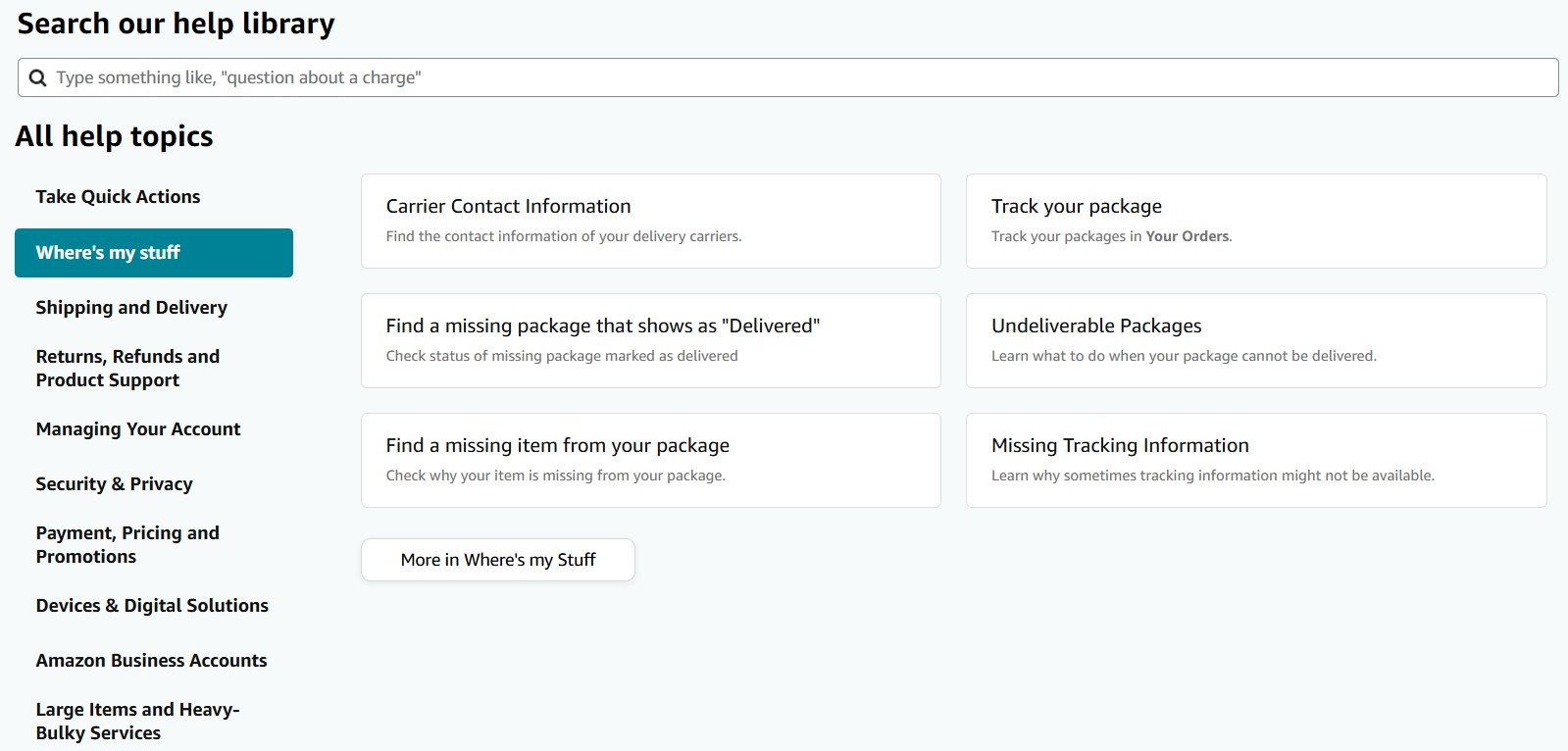 Source: amazon.com
Frequent questions help guide user interaction throughout the entire sales funnel: from getting to know you to post-purchase support. This cycle might start with a question like, "How can I schedule a consultation?" and continue with, "Are there discounts for comprehensive services for loyal customers?" or "How can I become a regular customer?" But these aren't the only benefits of having frequently asked questions on your website pages.
Not Just Questions and Answers: The Benefits of an FAQ Section for Your Business
Like any promotional tool, an FAQ section is not just for show—it benefits not only your customers but also your company. It would be foolish to think that it's merely questions for the sake of answers.
Here are the benefits of having an FAQ section on your website.
Saving Your Employees' Time
An FAQ section can handle a large portion of repetitive inquiries. Standard questions like "Do you offer delivery to this location?" are asked by many customers, and answering them repeatedly can be quite a resource drain. By compiling all such questions and providing answers on your website, the time and effort saved can be redirected towards more complex tasks.
Improving Behavioral Metrics and SEO
Having an FAQ section on your site can increase the time users spend on your page. Additionally, the text in the FAQ can be optimized with longer and more conversational informational and commercial queries.
Increasing User Loyalty
An FAQ section addresses many doubts, provides necessary information instantly, and shows that you care about your customers.
Boosting Conversion Rates
The fewer questions and doubts a user has, the more likely they are to make a purchase. An FAQ section can reduce the number of abandoned carts, increase conversion rates, and consequently, increase company profits.
AI-Friendly: How an FAQ Block Helps Your Site Appear in AI Search Results
Search results are evolving, and users can now obtain the information they need without navigating to a website. An FAQ block can significantly increase the chances that potential customers will see your site in these results.
The reason lies in the way AI operates, which is slightly different from traditional search engines. AI networks like ChatGPT and Perplexity seek direct answers to questions rather than just matching keywords on a page. The more logical, clear, and straightforward your answer is, the higher the chance it will be favored by these AI systems.
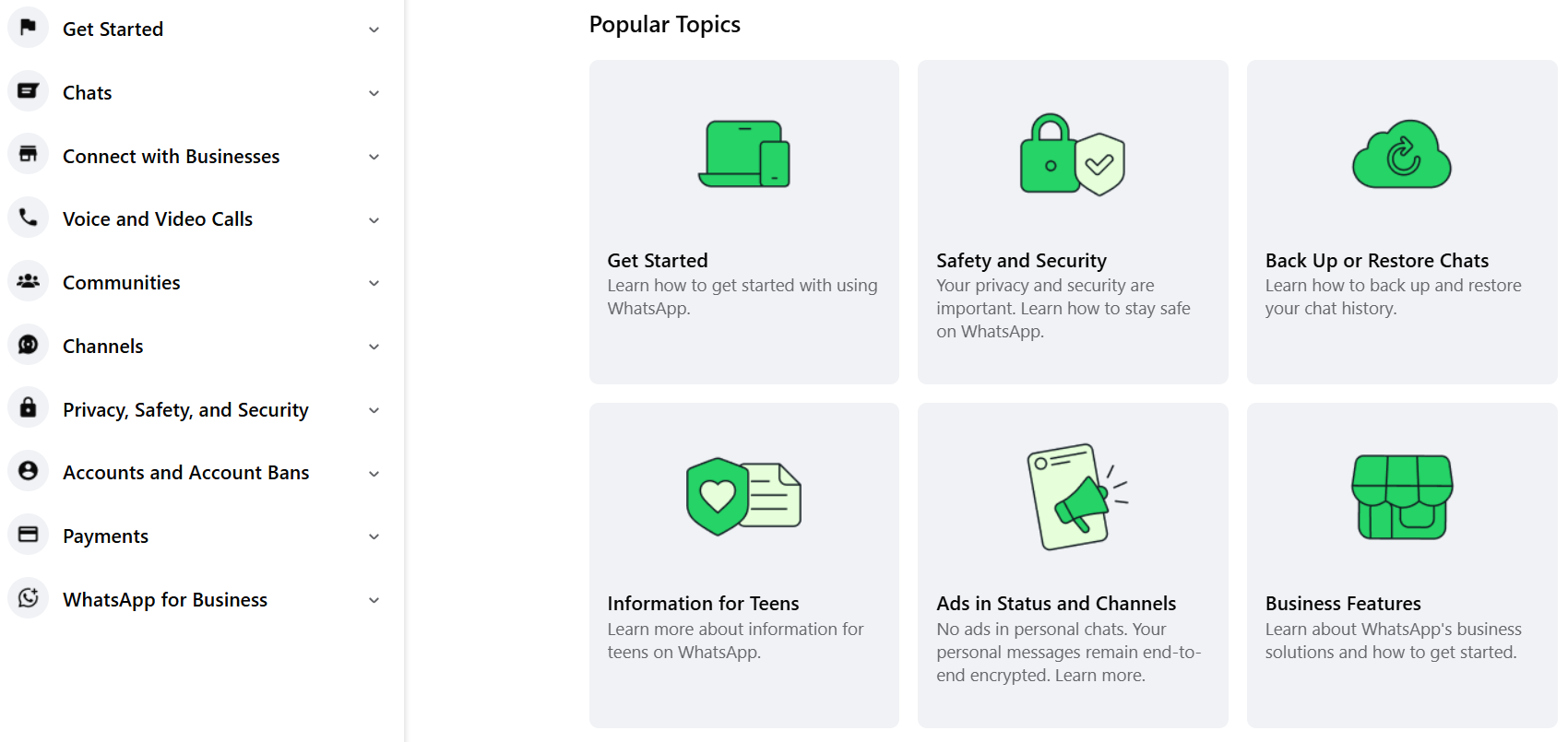 Source: whatsapp.com
Since AI analyzes page content to extract precise answers, it's crucial to write your FAQ block in a way that makes it clear to the AI that this is the answer to the user's question.
Here’s how to achieve that:
- Structure. The text of the answer should be logical and simple. If the question closely matches the user's query in the search engine, the AI can extract an unaltered fragment from the FAQ block.
- Clear Language. Write the block without long and complex sentences. Frequently asked questions should be composed in a conversational style, using nearly exact user queries, such as "how often to change oil in a chainsaw," etc.
- Expertise. Information about the company's products or services, taken by the AI from the company's webpage, must be verified and reliable.
How to Write an FAQ to Get Listed in Search Engine Results
To ensure that a neural network considers your FAQ answers relevant, you need to do more than just compile a list of "yes/no/we deliver" responses. A bit more effort is required.
Use Only Relevant Questions
Do not flood the FAQ section with every possible question. Not all questions will be of interest to users. Gather data from specialists who work directly with customers—they likely know which questions are asked most frequently. Analyze queries with "how/much/why" using special tools and select the most frequent ones.
Provide Detailed and Clear Answers
If you simply answer "yes" to the question "Is there a discount on the first order?", that probably won't be sufficient for an AI. The response should be not only simple but also comprehensive. The answer should contain just enough information to fully address the question.
Add FAQPage Markup
Use the FAQPage schema markup which allows you to specify that a FAQ block is present on the page. This markup helps directly indicate to search engines that there is both a question and an answer. It also reduces the risk of the page being misinterpreted and increases the chances of appearing in rich snippets in search results.
You can use a tool for converting text into ready-to-use FAQPage markup in the Schema.org format. It works online in the browser and is free to use. No need to understand the rules for creating markup: the tool automatically creates working FAQPage JSON-LD or HTML code based on the text you have added.
You need to add the finished code to the page of your website where the FAQ or Q&A block should be located. Search engines analyze the information from the markup and may use it to form an expanded snippet in the search results.
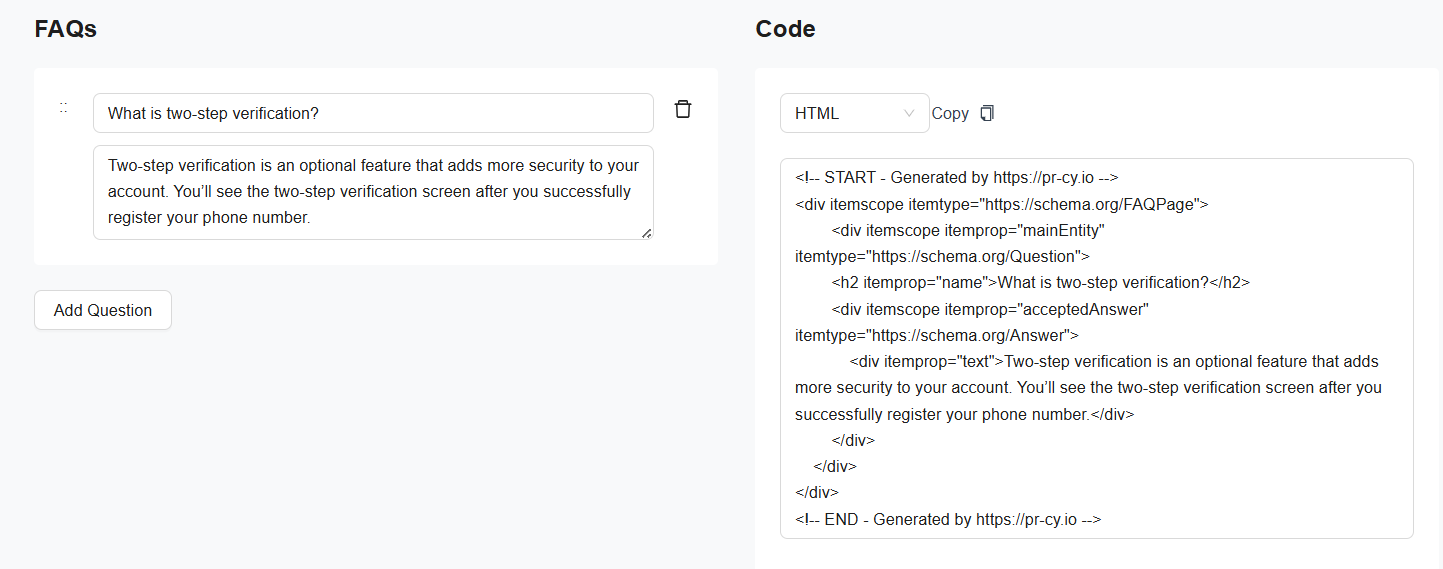 FAQPage JSON-LD Markup Generator Interface
Got questions?
A FAQ section is an excellent tool that meets the needs of both the customer and the business. Whether or not to include it is up to you, but we highly recommend doing so. There are plenty of ways to incorporate frequently asked questions and their answers – from a simple block at the bottom of the page, on the side, in a feedback form, etc., to a dedicated page on your website.
A FAQ section is suitable for any business – because customers always have questions. The key is to use this information correctly – not just list a few questions, but think carefully and create a comprehensive section with good and clear answers.
The more diligently you approach the process, the better the results will be – you’ll gain more conversions, make friends with search engines, and your site will rank higher.
🍪 By using this website, you agree to the processing of cookies and collection of technical data to improve website performance in accordance with our privacy policy.