
Unconventional SEO: Non-Trivial Approaches to Driving Traffic to Your Website
Today driving traffic to a website has become an increasingly challenging task. High competition and a market saturated with knowledgeable professionals make traditional SEO methods less effective, particularly if your niche is dominated by large aggregators and long-established sites with high search engine rankings. Additional challenges arise when demand for your products or services is low, leading you to question the viability of investing in SEO.
This guide is intended for those facing such challenges and seeking unconventional yet effective approaches to attract their target audience. We will explore methods that can help you stand out from the competition, even if they have already secured top positions in search results and have no intention of relinquishing them.
You will learn how to leverage frequently asked questions, create comparative articles, employ parasitic SEO, and use many other strategies that have proven their effectiveness in practice.
The goal of this guide is to show you that even in the most competitive and challenging niches, there are always ways to improve your website's ranking and attract more visitors.
This guide will be useful for:
- Website owners and administrators who are unsure how to drive traffic to their site.
- Businesses operating in highly competitive niches where top positions are occupied by aggregators and long-established sites, making it seem impossible to break through.
- Marketers who face low demand for their promoted products or services and see no value in traditional SEO.
- Aspiring entrepreneurs looking to find effective methods to promote their business online.
- SEO specialists seeking new and creative approaches to enhance their results.
Approach 1: Frequently Asked Questions (FAQ)
Creating a Frequently Asked Questions section on your website is a simple yet effective way to attract more traffic from search engines like Google. Let’s explore why this is important and how to properly implement this approach.
The FAQ section addresses several key tasks:
- Enhancing user experience. Visitors can quickly find answers to their questions, which increases their satisfaction and reduces the number of support inquiries.
- Improving search engine visibility. Answers to popular questions often appear in Google’s featured snippets, which enhances click-through rates and attracts additional traffic.
- Increasing time spent on the site. Useful and relevant information keeps users on your site longer, improving behavioral factors that also impact SEO.
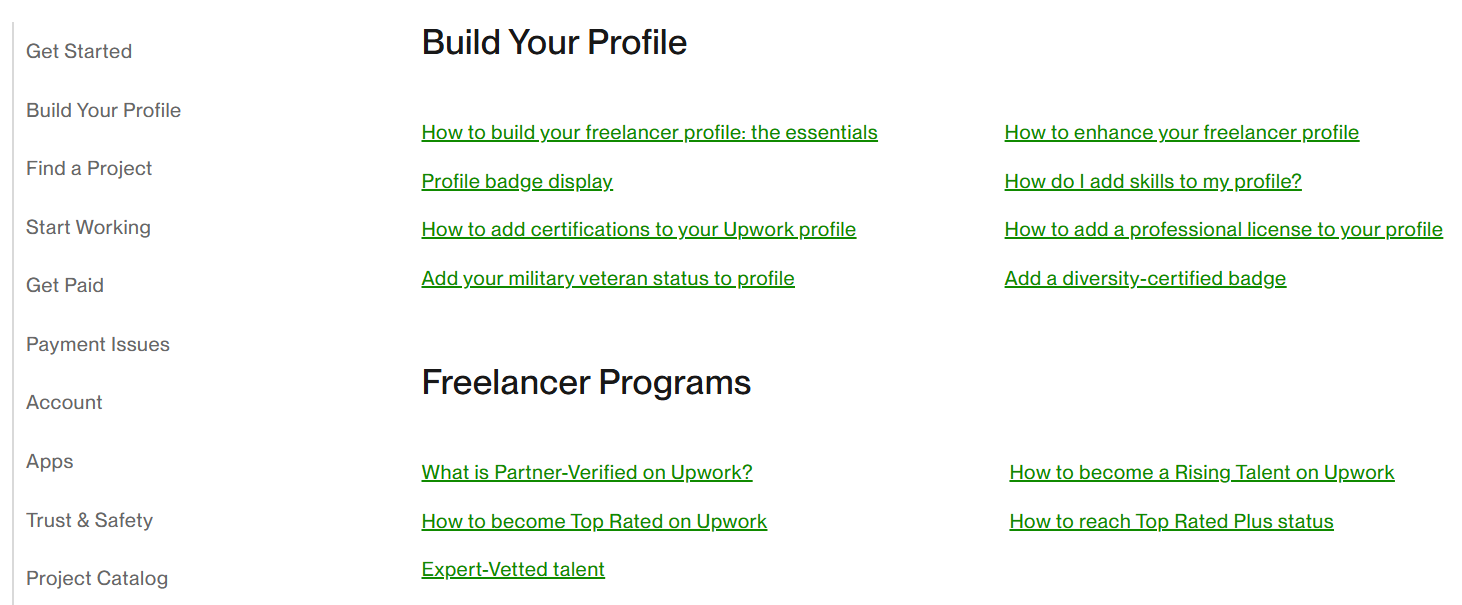 Source: upwork.com
Recommendations for the FAQ section
- Study your audience. Identify the most frequently asked questions using data from your support or sales departments, your social media channels, and topic-specific forums. Don’t forget the SEO approach with the following operators: (how+where+why+what+how much+who+whose+when+which+how many) YOUR MAIN QUERY
- Structure your questions. Divide questions into categories to make it easier for users to find the information they need. A good practice is to use a table of contents with anchor links by section.
- Be concise and clear. Answer questions clearly and succinctly, avoiding excessive technical jargon and fluff.
- Update information. Regularly review and update the FAQ section, adding new questions and answers as they arise. Doing this every 3-6 months is sufficient.
Approach 2. Comparison Articles with Competitors
Comparison articles are a powerful tool for attracting traffic and enhancing user trust. In fact, this is an excellent method to "snatch" a portion of branded traffic from a competitor who has invested in marketing and brand development for years. Moreover, traffic from such comparisons is very warm, and it is easy to close sales if the comparison is genuinely honest and objective.
You can highlight the advantages of your business and present certain aspects in a more favorable light, but it is crucial not to resort to lies and factual distortions.
Such articles help potential clients make informed decisions, while also allowing you to stand out against competitors. Let's consider how to correctly create comparative materials.
Comparative analysis allows for a detailed examination and evaluation of the advantages and disadvantages of your product or service in relation to competitors. This helps users understand why they should choose your offering.
 Source: retrofoamofmichigan.com
Correct Parameters for Comparison
- Price. Compare the cost of goods or services, indicating what is included in the price. Often, competitors do not specify additional fees and taxes, which makes their offer seem better at first glance. Expose these omissions or at least explain why this is the case. Your readers will definitely appreciate it.
- Quality. Assess the quality of materials, craftsmanship, or the provided service — impartially, objectively, and honestly.
- Functionality. Compare the features and capabilities offered by the products.
- Ease of Use. Evaluate how easy and convenient it is to use the product or service.
- Support and Warranty. Compare the customer support conditions and warranty services.
In reality, there are numerous points, and each niche has its own specific criteria for product selection. Therefore, compile your own list and make a comparison with your competitors.
Recommendations for Comparison Articles
- Be honest and objective. Clearly indicate the strengths and weaknesses of both your product and those of your competitors. This will increase trust in your content and overall brand loyalty, making the article appear more natural and genuine.
- Use data and facts. Support your statements with specific data, test results, or user reviews.
- Add visual elements. Use tables, charts, and infographics to visually present information. Remember, today people scan information rather than read it. Therefore, both people and search engines appreciate structured content rich in lists and tables.
- Write in the language of your audience. Avoid complex terms and explain everything clearly and understandably.
Approach 3: Parasite SEO
Parasite SEO is a strategy aimed at leveraging other platforms with high trust levels in the eyes of search engines to increase visibility and drive traffic to your site. While this method can be controversial, when approached correctly, it can yield excellent results. Indeed, it can often be much easier to gain exposure on a trusted platform than to try to accelerate the sandbox exit for your project.
Parasite SEO involves creating content on third-party platforms with high authority and traffic, such as Medium, Reddit, Quora, and others, to draw attention to your site. The idea is to use the existing audience and high search engine rankings of these platforms to promote your content.
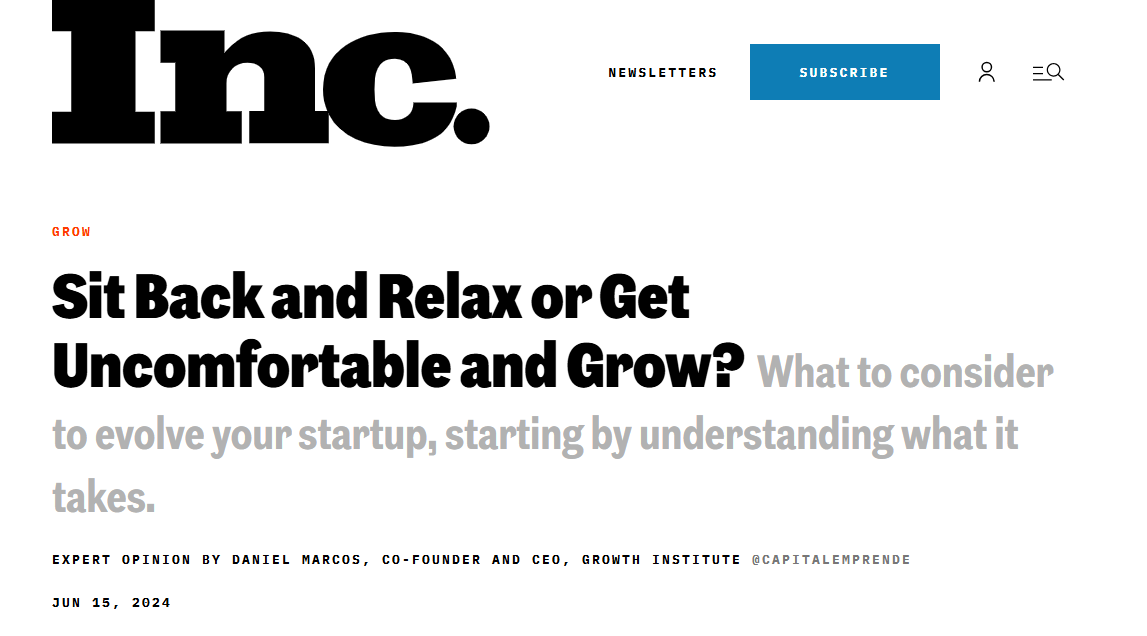 Source: inc.com
Effective Methods of Using Third-Party Platforms
- Guest Posting. Writing articles for blogs and websites that allow guest posts. This not only helps attract traffic but also provides high-quality backlinks.
- Answering Questions on Forums and Communities. Actively participating in discussions on forums like Reddit and Quora. Provide comprehensive answers to questions related to your topic and include links to your site where appropriate. Monitor your profile’s engagement, as other users can remove your posts or heavily restrict them.
- Republishing Content on High-Authority Platforms. Using sites like Medium and LinkedIn to republish your content with a reference to the original source. This helps expand reach and attract a new audience. You can either write a new article from scratch or rewrite your existing article. Some platforms do not require uniqueness, allowing you to publish non-original content.
- Using Social Media. Creating and posting content on popular social platforms like Facebook, Instagram, and X to draw attention to your site.
Risks and How to Minimize Them
Using parasite SEO can carry certain risks. Publishing content on third-party platforms can lead to a loss of copyright control, as you may lose control over your material. Ensure that the terms of use of the platform protect your copyright.
Incorrect or excessive promotion can trigger a negative reaction from the audience. Be tactful and provide valuable information to avoid negative backlash.
Duplicate content can negatively impact your SEO if search engines consider your content as plagiarism. It is important that republishing is properly formatted and references the original source.
When used correctly, parasite SEO can become a powerful tool for increasing your site's visibility and attracting traffic. The key is to act ethically, provide valuable information, and consider the interests of your audience.
Approach 4: Repurposing Content for Social Media
Social media platforms are powerful tools for driving traffic to your website. However, to effectively harness their potential, it is necessary to adapt your content to the unique features of each platform.
Repurposing content allows you to make it more appealing and relevant to users of various social networks, while saving you time managing multiple social media accounts.
Content repurposing is the process of adapting existing materials for different formats and platforms. This strategy increases reach, as different platforms attract different audiences, and by tailoring your content, you can engage a broader user base.
Repurposing also helps enhance engagement, since users of various social networks prefer different content formats, and this process allows you to better meet their expectations.
Additionally, repurposing content maximizes resource utilization. Instead of creating new content from scratch, you can efficiently use existing materials, saving time and effort.
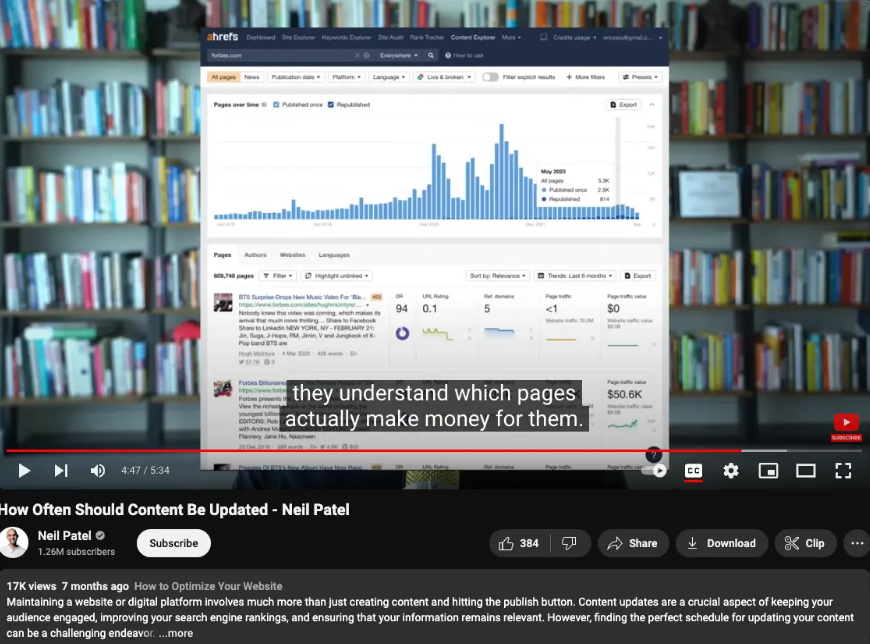 Source: neilpatel.com
Example of Content Repurposing
For instance, I wrote this article for the PR-CY blog and can do the following:
- Write a post or a series of posts about each method in my Facebook community;
- Create images with key ideas and publish them as stories on popular platforms;
- Record a video based on the article for YouTube;
- Develop a presentation on this topic and deliver it on a channel with a large audience;
- Create a series of Reels or Shorts from the video.
Repurposing content for social media allows you to efficiently use available resources and maximize audience reach. By adapting materials for each platform, you can attract more users and increase their engagement.
Approach 5: Developing Calculators and Microservices
Interactive elements such as calculators, quizzes, and microservices can significantly enhance user engagement and increase traffic to your website. These tools not only provide valuable information but also make the interaction with the site more enjoyable and memorable. Users often bookmark convenient services they find useful and share them with colleagues and friends.
Interactive content boasts several advantages. It boosts engagement as users spend more time on the site interacting with calculators and tools.
Interactive elements also increase repeat visits, encouraging users to return to the site for repeated use. Calculators and microservices can be valuable for gathering data on user preferences and needs.
Additionally, these tools aid decision-making, helping users make informed choices, thereby enhancing their trust in your brand. Most importantly, they attract a considerable amount of search traffic.
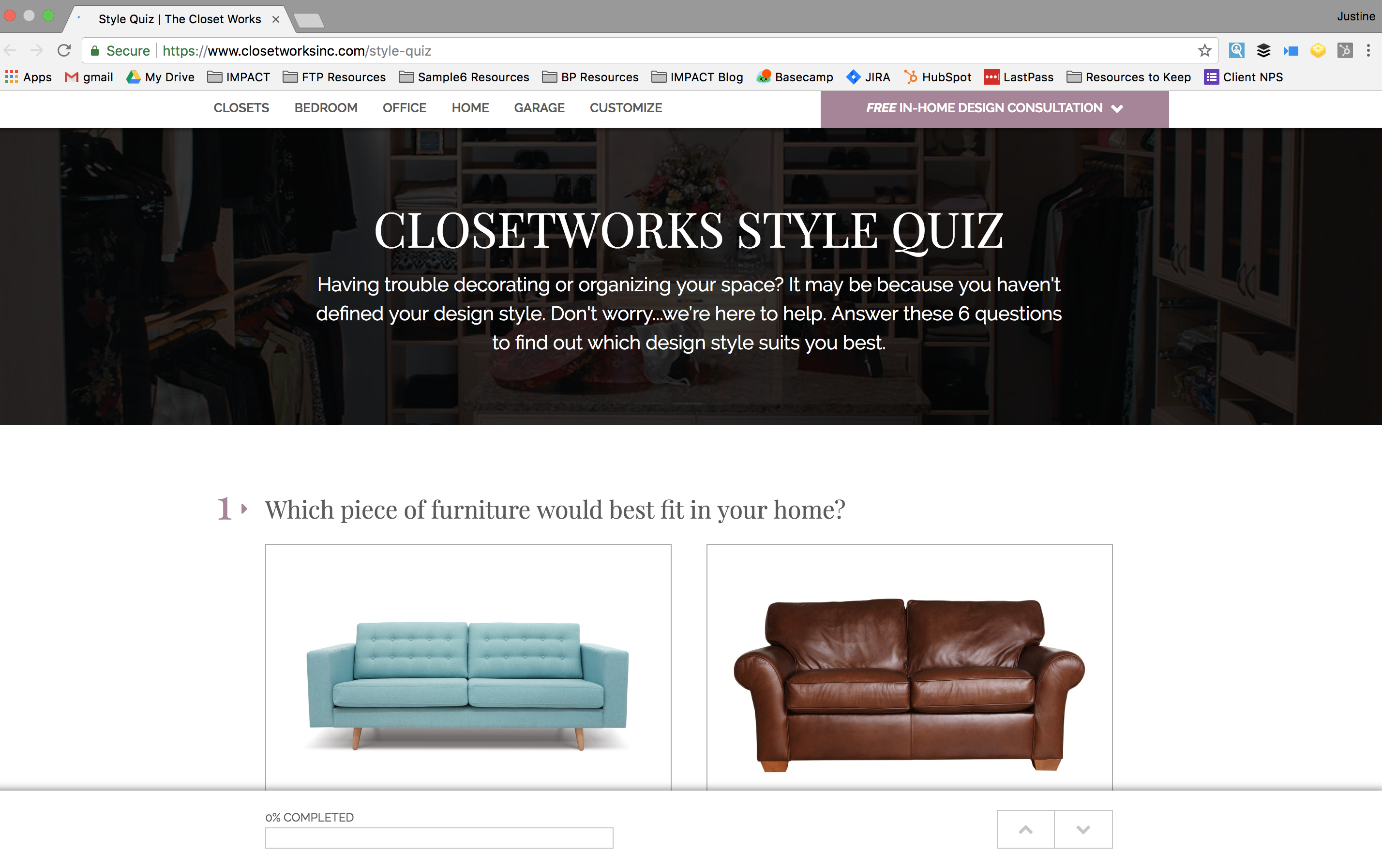 Source: closetworksinc.com
Examples of Interactive Elements
- Financial calculators include loan calculators, mortgage calculators, and tax calculators.
- Health calculators cover body mass index, calorie calculators, and workout calculators.
- Business calculators might involve ROI calculators, payback period calculators, and salary calculators.
- Marketing microservices include hashtag generators, keyword analyzers, and tools for checking search engine rankings.
- Personalized tools might include repair cost calculators and product or service recommendation tools.
Creating interactive calculators and microservices can greatly improve the user experience on your site and attract more traffic. These tools provide valuable information and help users make informed decisions, which in turn increases their loyalty and trust in your brand.
Approach 6. Conducting Relevant Research
Conducting relevant research and analysis provides unique and valuable content that can attract the attention of your target audience and enhance the authority of your website.
Choosing a research topic is a crucial step that determines its success. Here are several steps to select an appropriate topic:
- Understand the audience's needs. Understanding the interests and problems of your target audience will help you choose a relevant topic.
- Analyze trends. Use trend analysis tools such as Google Trends to identify popular topics and queries.
- Study competitors. Look at the research your competitors are conducting and which ones have received the most response.
- Identify your expertise. Choose a topic in which your company or you personally have significant knowledge and experience.
Conducting relevant research not only attracts the audience's attention and increases traffic to your site but also strengthens your brand's position as an expert in your field and garners mentions from sites that would otherwise never do so. This is a labor-intensive but extremely beneficial approach to improving SEO and enhancing trust in your site.
Approach 7. Increasing Backlinks Through Borrowed Content
Increasing backlinks is a crucial aspect of SEO, particularly for Google. One strategy involves using a special script that automatically adds a link to you as the original source. However, these links are often removed by content managers, minimizing their effectiveness.
This solution will only work if the site using your content automatically pulls it using parsers and does not thoroughly check the parsing results. Nonetheless, you might consider embedding the link within a copied phrase or preposition. This increases the chance that the link will go unnoticed and provides a chance to obtain a valuable link from a competitor's site.
Using borrowed content to increase backlinks can be effective if this method is applied thoughtfully and deliberately. In an ideal world, content would not only be borrowed but also add value and respect copyright. However, this is far from reality, so let’s be realistic.
To minimize risks and maximize the benefits of link building, combine this method with other relevant techniques — outreach, publishing on trusted resources, and promoting links through PBN networks.
Approach 8. Establishing a Definitions Section
Creating a definitions section or glossary on a website is an effective method to enhance SEO and provide users with valuable information. Such a section can help increase the visibility of your site in search engines and boost user trust.
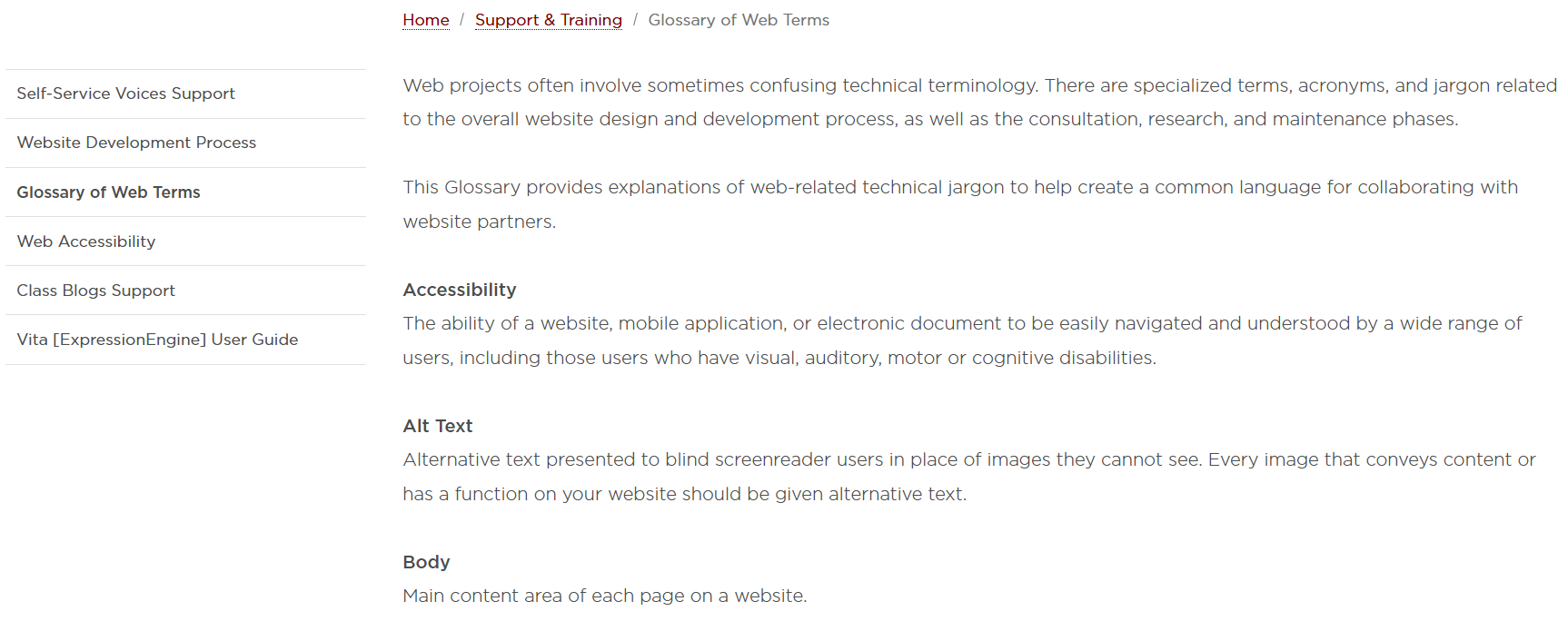 Source: websites.uchicago.edu
Why Having a Glossary on Your Website is Beneficial
- Improved Search Engine Visibility. Each definition is a separate page optimized for specific keywords. This increases the number of inbound queries and attracts additional traffic, significantly expanding the query index.
- Enhanced Authority. A glossary demonstrates your expertise in the subject matter and helps users better understand complex terms and concepts.
- Improved User Experience. Users can quickly find definitions and explanations of terms, enhancing their satisfaction and trust in your site.
Creating a definitions section is an effective way to improve your site's visibility in search engines and provide users with valuable information. This not only attracts additional traffic but also increases trust in your site by demonstrating your expertise in the subject.
Summary
In this article, we examined several unconventional SEO approaches that can help attract traffic to your website even in highly competitive environments and during periods of low demand:
- Creating an FAQ section. Providing answers to frequently asked questions enhances the user experience and boosts visibility in search engines.
- Comparison articles with competitors. Objective and informative comparison articles assist your potential clients in making informed decisions.
- Parasite SEO. Using content and platforms with high authority to draw attention to your website.
- Repurposing content for social media. Adapting materials to the specific features of various social platforms to increase reach and engagement.
- Creating calculators and microservices. Interactive tools that provide users with valuable information and increase their engagement.
- Conducting relevant research. Unique studies and analytics that attract audience attention and strengthen your authority.
- Increasing backlink volume through borrowed content. Content will inevitably be borrowed as you gain visibility. However, you can derive some benefit from this by using a special script.
- Developing a definitions section. Creating a glossary that helps users better understand complex terms and improves your website's SEO.
The effectiveness of an SEO strategy depends on numerous factors, so it is crucial to continuously experiment and analyze results. What works well for one site may not be suitable for another, so be prepared to adapt and seek new solutions for your specific situation.
Do not delay implementing the described strategies. Start small and gradually expand your efforts, experimenting and adapting approaches to the specific characteristics of your business and audience. Remember that successful SEO requires time and continuous effort, but the results are worth the investment.
🍪 By using this website, you agree to the processing of cookies and collection of technical data to improve website performance in accordance with our privacy policy.